
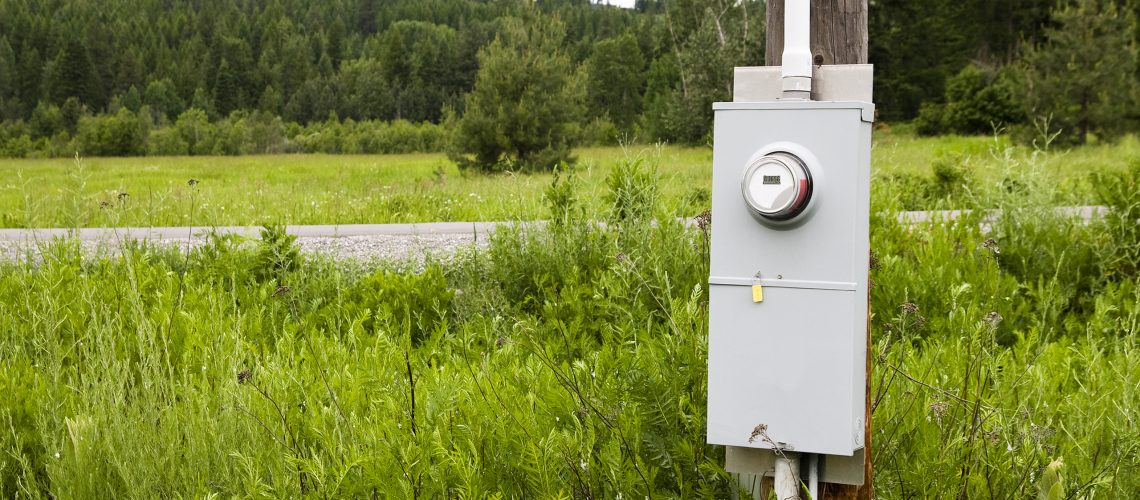
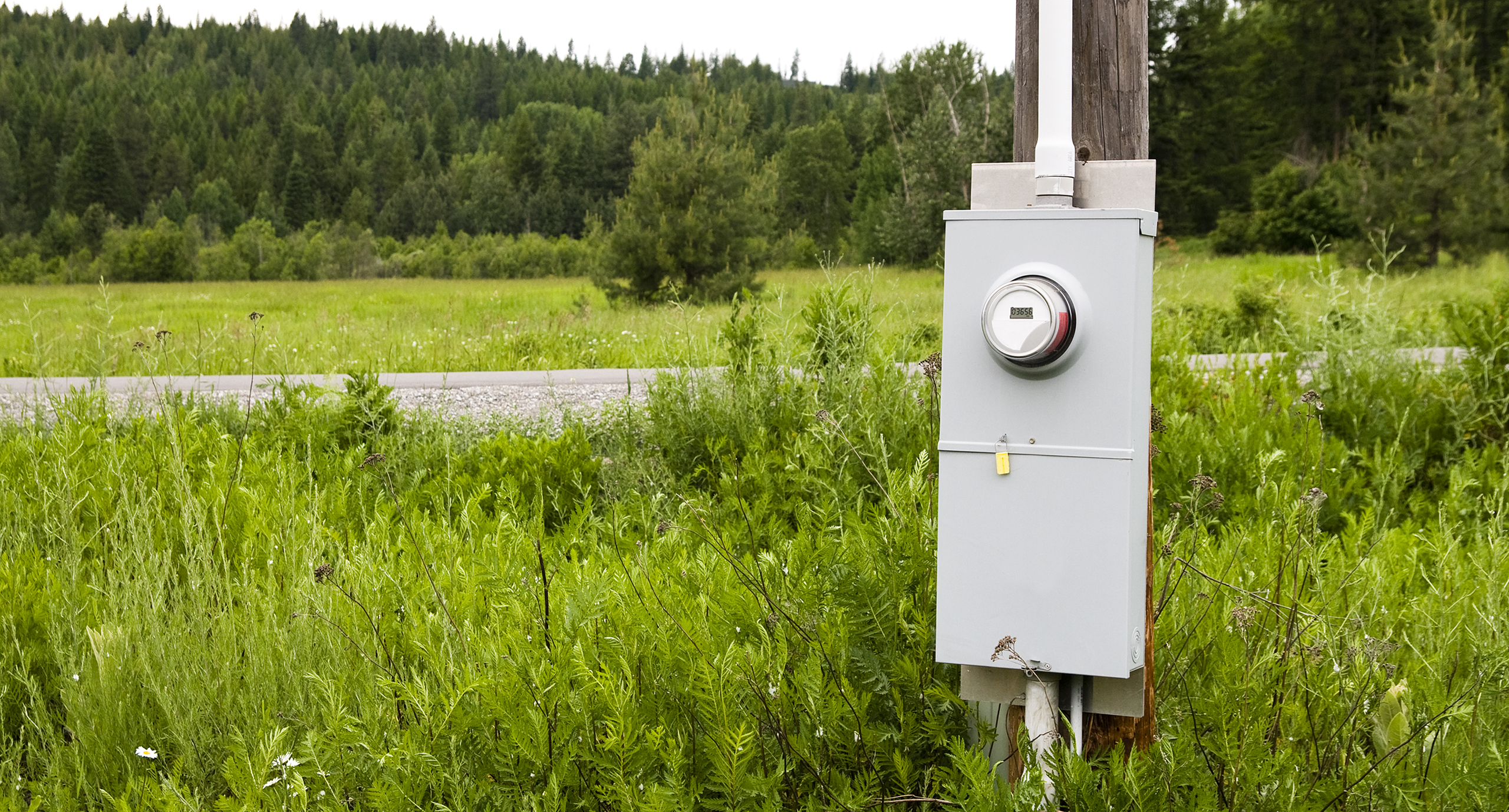
Is your electric meter on a pole?
A few small steps can help prevent big problems
For members who have their electric meter mounted on a pole instead of directly attached to a building, a little routine attention can go a long way toward ensuring the reliability of your electric service. While it’s easy to forget about the equipment that’s quietly doing its job day after day, the meter pole is the responsibility of the property owner, and keeping it in good shape helps avoid inconvenient outages, additional delays in restoration, unexpected expenses, and potential safety hazards.
Why Meter Pole Maintenance Matters
Over time, weather, age, insects, and normal wear can weaken a meter pole. A pole that leans, cracks, or shows signs of rot may eventually fail, and when it does, it often happens suddenly or unexpectedly. That kind of failure typically leads to:
- A sudden, unexpected power outage
- Emergency electrician fees— which are often higher
- A longer disruption to service while repairs are made
In most cases, proactively repairing or replacing a meter pole costs less than dealing with a pole that fails unexpectedly.
A Little Prevention Goes a Long Way
Regular meter pole checks only take a few minutes, but they can prevent unexpected outages and costly repair bills. Consider adding it to your seasonal home maintenance checklist. It’s a simple habit that protects your home, your budget, and your peace of mind.
HERE’S WHAT TO WATCH FOR:
FOR YOUR SAFETY: Do not touch any energized electrical components during your inspection or any other time.
Pole Condition
- Is the pole leaning, bending, or tilting?
- Are there visible cracks or splits in the wood?
- Are there soft spots, rot, or decay—especially near the base?
- Do you see signs of insect damage (wood dust, holes, or burrowing)?
- For metal poles: Is there rust, corrosion, or flaking?
Ground Level Stability
- Is the soil eroded or washed out around the base?
- Is the pole loose or shifting if lightly pushed (without putting yourself at risk)?
- Is vegetation growing too close to the base, hiding potential problems?
Equipment & Hardware
- Is the meter base securely attached?
- Are conduits and wires firmly connected and not being pulled or strained?
- Are brackets, straps, and bolts tight and unbroken?
- Are there any signs of burning, melting, or heat damage?
If any element of your inspection gives you pause, or if something “just doesn’t look right,” it’s a smart move to call a licensed electrician for a closer look.
BONUS CHECK: Is there anything, such as vehicles, vegetation, debris, or a locked gate, that would prevent GLE crews from accessing the pole and meter if necessary?
It’s important that our crews are able to access any and all GLE equipment on your property at all times to ensure we are able to perform repairs and maintanence when needed.
What part of the wires, meter and pole is at the expense of the home owner to repair
Hi, Mary! If you visit our https://www.gtlakes.com/power-outages/ and scroll down to “Who Takes Care of Storm Damage, I think that should answer your question. Please email [email protected] with any other questions! Thank you.