
Keeping energy use in check during the coldest days of winter can help everyone stay warm and keep the power on.
For many of us, staying comfortable when temperatures dip below freezing means relying on our home’s heating system. But just like summer air conditioning, heating your home through long, frigid Michigan winters can put a heavy demand on the electric grid—especially during extreme cold spells.
And when everyone’s heating systems run at once, it can impact more than your energy bill. It can affect grid reliability for your neighbors and communities miles away.
Why it matters
The Midcontinent Independent System Operator (MISO)—the organization that operates the power grid across 15 U.S. states including Michigan—has previously reported that the region may face tight electric capacity during periods of extreme cold and high heating demand.
If the grid becomes overloaded, utilities across the state may need to reduce overall electric demand through a controlled process known as load‑shedding. This means some areas could temporarily lose power—potentially for several hours—until demand drops.
While Great Lakes Energy (GLE) contributes only a small portion of the state’s total load, our members could still be affected.
It adds up fast
Consider how much electricity a typical heating system uses. Electric resistance heaters, space heaters, and older heat pump models can draw large amounts of power—especially when running continuously during subzero temperatures.
If just 10 homes on your road are running high‑demand electric heating simultaneously, that added load strains your local circuit. Scale that up to a community, county, or the entire state, and the demand rises quickly.
Heat wisely: Tips for lowering winter energy use
Here are some practical ways to reduce your home’s winter energy demand—helping you stay comfortable while doing your part to keep the grid stable.
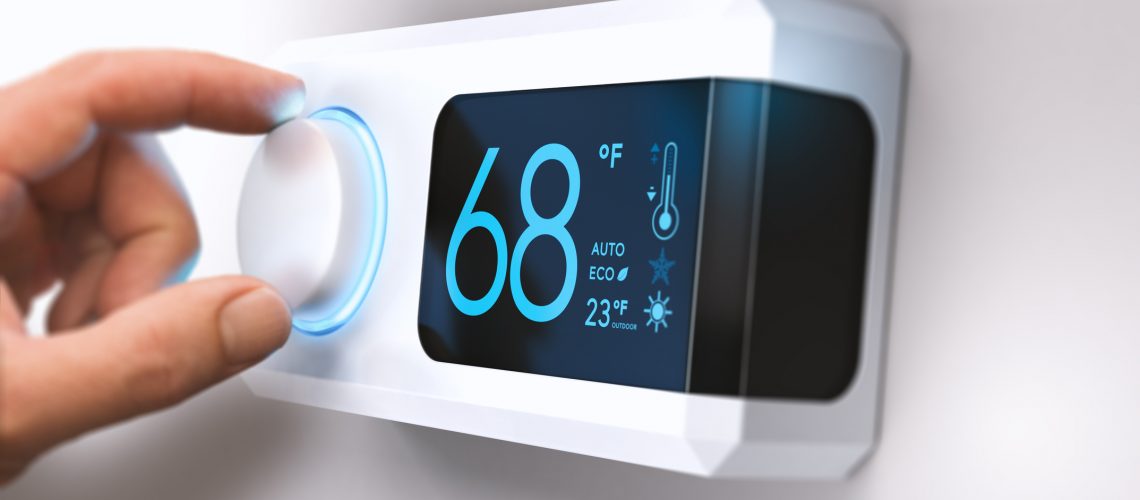
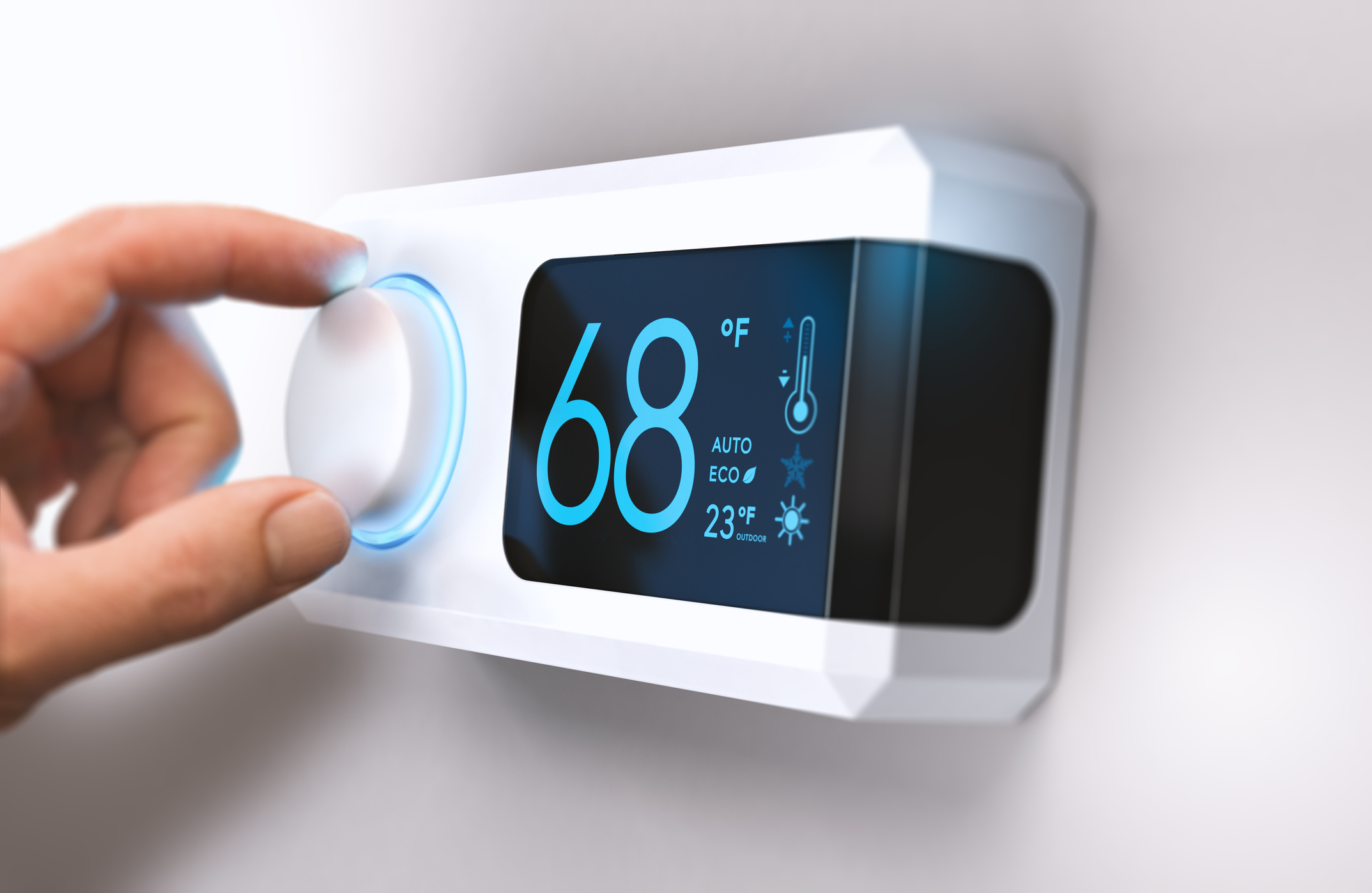
1. Use your thermostat smartly
- Set your thermostat a few degrees lower when you’re asleep or away from home.
- Avoid cranking your heat way up all at once; furnaces and heat pumps don’t warm faster by setting extreme temperatures.
- Consider a programmable or smart thermostat for automatic adjustments.
2. Let the sun do the work
- Open curtain on sunny wintery days to let natural warmth in.
- Close them at night to help retain heat.
- Be strategic about which coverings you open and when. For instance, close south facing coverings for most of the day, but you might want to open west facing coverings in the morning and east-facing coverings in the afternoon to maximize natural light and reduce the need for electric lighting.
3. Seal out the cold
- Seal gaps around windows, doors, and utility cutouts to prevent heat loss.
- Add weatherstripping or caulking where needed to reduce drafts.
4. Maintain your heating system
- Replace furnace filters regularly to ensure efficient airflow.
- Schedule annual tune-ups to catch issues before they become emergencies.
- If you use a heat pump, keep outdoor units free of snow and ice.
5. Be smart with appliances
- Only run full loads in your dishwasher and washing machine.
- Avoid using high‑demand appliances during peak times.
- Consider ENERGY STAR® certified appliances for better efficiency.
6. Reduce dependence on space heaters
- Choose an energy-efficient model.
- Use it only in occupied rooms.
- Turn it off when leaving the space.
Track how heating, water heating, and other systems contribute to your winter electric bill using GLE’s new analytics dashboard. View category‑specific usage and get personalized recommendations to help lower your demand during peak winter hours.
In addition to the tips above, you can also help reduce the load on the system limiting or not using high-electric-demand appliances during peak demand. Some top examples of high-electric-demand activities include doing laundry or cooking.
Take a look at how much energy some of these typical household appliances use:
- Washing machine: 400-1,400 watts
- Electric clothes dryer: 2,000-4,000 watts
- Electric oven: 2,000-5,000 watts
- Electric cooktop burner: 1,200-3,000 watts
- Microwave oven: 700-1,100 watts
- Electric household tank water heater: 4,500-5,500 watts
- Dishwasher: 1,200-2,400 watts
So, if you have a load of laundry in the washer and one in the dryer, that could be as much as 5,400 watts on top of other uses that might be taking place at the same time.
With a little extra effort and forethought, we can all do our part to help keep power available for everyone on the coldest days this winter.
Small steps make a big difference
More information
In the event of a MISO issued energy conservation alert due to unusually high demand on the electric system, we’ll be sure to notify members and continue to keep you informed. We’ll post updates on:
- Website: gtlakes.com
- Facebook: facebook.com/greatlakesenergy
- Email: Updates will be emailed to members with an email noted on their account. If you would like to update your GLE account with an email, follow these instructions to update your contact info.
To learn more about MISO, visit: How MISO and Utilities Work Together to Deliver Your Electricity | MISO Energy.